
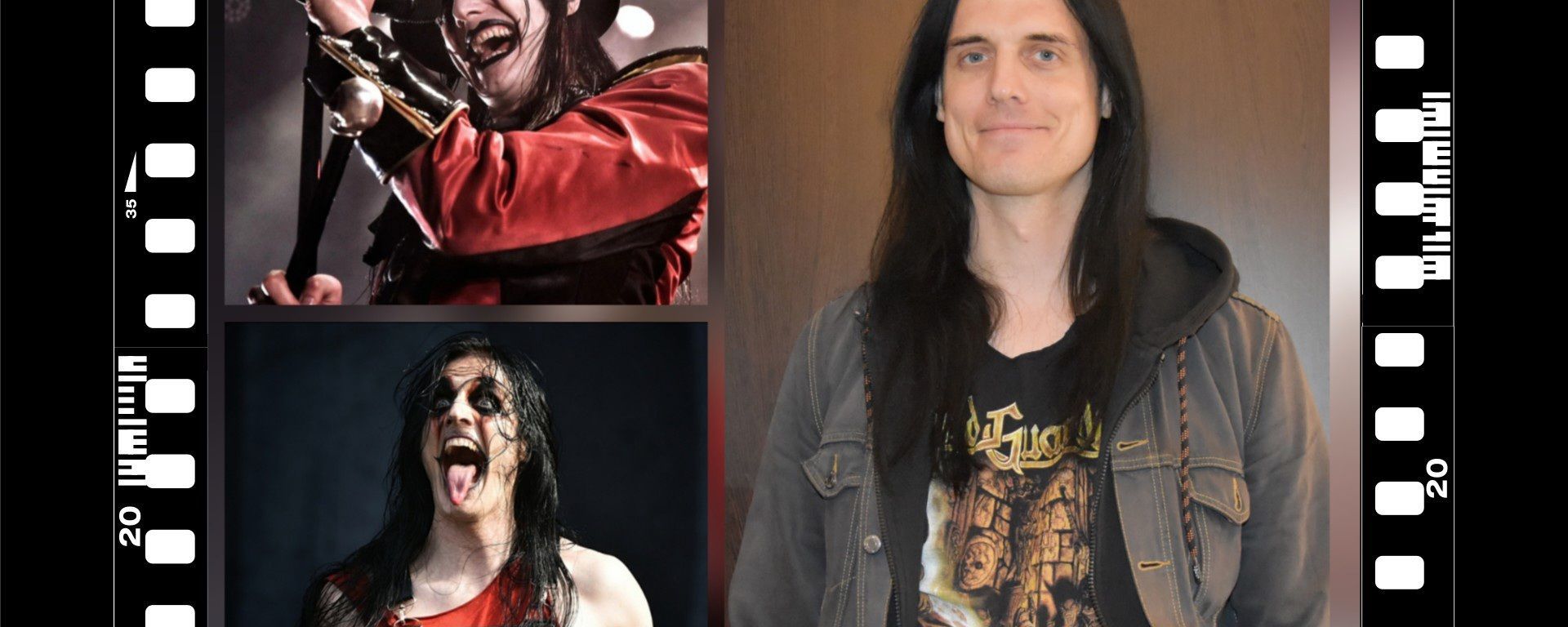
Dans les profondeurs sombres et flamboyantes du heavy metal contemporain, rares sont les groupes qui savent mêler théâtralité, puissance sonore et identité visuelle avec autant d’audace qu’AVATAR.
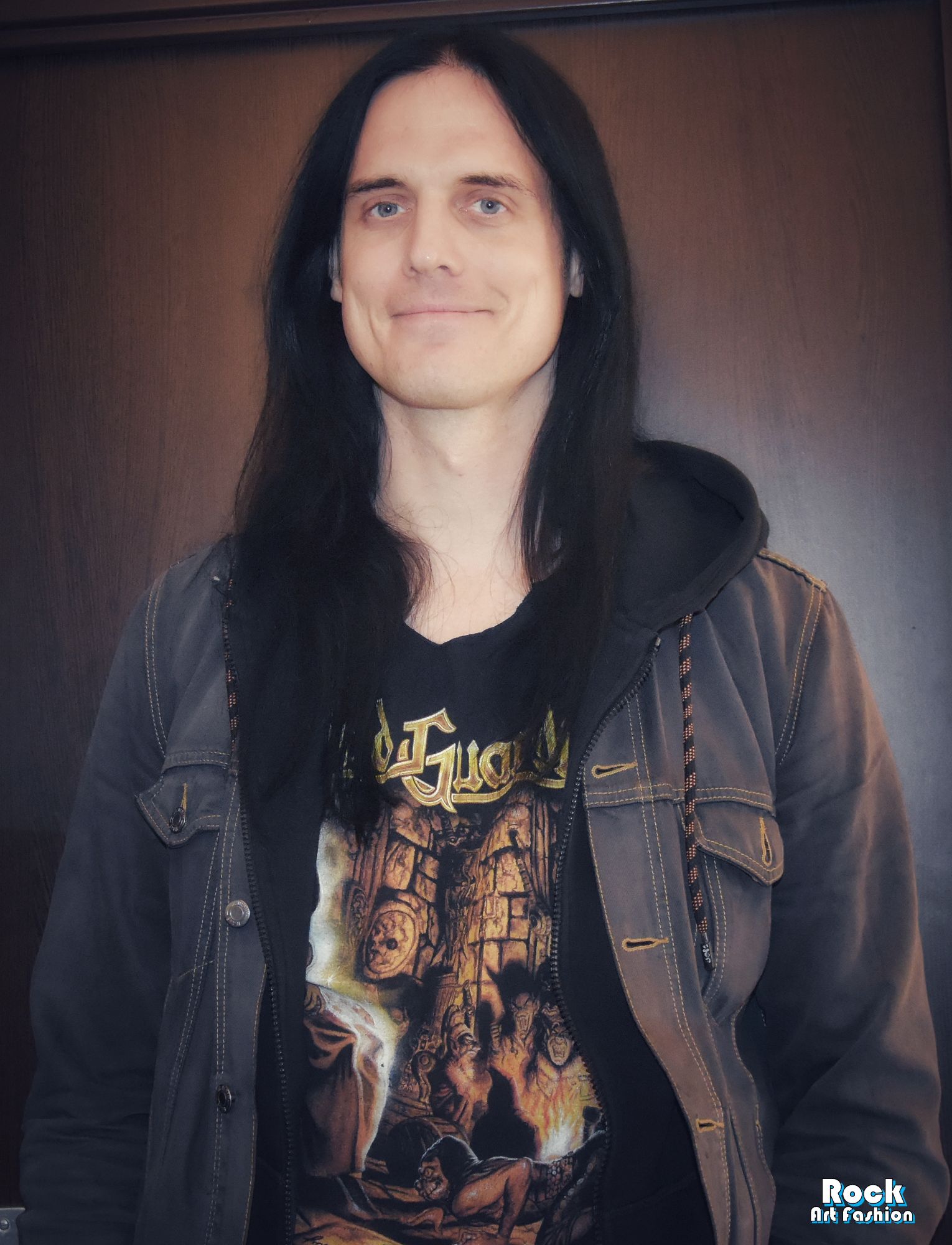
À l’occasion de la sortie de leur nouvel album, Don’t Go In the Forest, j’ai eu le plaisir de rencontrer Johannes Eckerström, maître de cérémonie charismatique et visionnaire, pour explorer les coulisses de leur créativité et également apprendre plus sur le frontman iconique.
Entre discussions sur le nouvel disque, les vidéos et les ambiances cinématographiques qui façonnent leur univers, les costumes qui participent à leur signature scénique et une plongée dans ses multiples inspirations qui nourrissent leur chaos créatif, découvrez notre interview, un voyage fun au cœur du metal circus où rien n’est laissé au hasard.
Ne manquez pas AVATAR en concert au Cube à Lyon, le lundi 2 mars 2026 et au Zénith de Paris La Villette le samedi 7 mars 2026.
Salut Johannes, comment vas-tu ?
Johannes : ça va bien. Je suis en tournée promotionnelle, la première après le COVID. Un véritable circuit de sept jours avec escale à Paris aujourd’hui. Hier, c’était Amsterdam, puis il y aura Berlin et Vienne. On n’est pas un groupe pop classée Top 40, ce qui signifie que ma tournée promo dure une semaine et non trois mois et cela veut dire que c’est super FUN !
Je suis un grand fan de Paris. J’ai passé beaucoup de bons moments ici et ce matin, en descendant du train à la gare, tout de suite, je me suis senti comme Audrey Toutou et Amélie. Un lutin maniaque qui se promène à Paris. C’est une bonne journée aujourd’hui.
Don’t Go Into the Forest, le 10 ème album AVATAR sort le 31 Octobre 2025. Je l’ai trouvé très varié et très différent de toutes vos albums précédents. C’est très heavy, avec des morceaux très rapides mais c’est aussi très mélodique et trés groovy. Pourras-tu nous dire un peu plus sur le processus d’écriture et sur vos inspirations ?
Johannes : Eh bien, l’une des raisons fondamentales de cette diversité, c’est qu’on est un groupe très collectif et démocratique.
Dans un groupe plus normal, on sera trois auteurs-compositeurs, mais ce n’est pas comme ça que nous travaillons. Je dirais qu’on est trois songwriters qui démarrent la chanson, puis nous collaborons tous les cinq ensemble pour arriver à une finalité.
Les idées viennent donc de beaucoup d’endroits différents. Et aussi, parce qu’on aime les Beatles, on ne se soucie jamais de comment est notre son. Notre son, on l’a écrit nous-mêmes et on le joue nous-mêmes. Et le reste se fait tout simplement. On n’a pas assez de talent pour ressembler à quelqu’un d’autre. On ne peut être que nous-mêmes. Cela ouvre donc la voie à une grande diversité.
Chaque album a été aussi honnête que possible, mais une fois qu’on atteint ce niveau d’honnêteté, on découvre une nouvelle couche de conneries à supprimer, ou une autre façon d’atteindre quelque chose de plus profond. On s’est aussi beaucoup basé sur l’intuition cette fois-ci.
Je pense qu’il y a un truc qui se passe quand tu fais des chansons que tu veux immédiatement comprendre et tu te poses trop de questions. Qu’est-ce que c’est ? Qu’est-ce que cela signifie ? Que devrait-il devenir ?
Maintenant, la plupart du temps, on s’inquiète beaucoup moins de cela et on laisse les choses évoluer et devenir ce qu’elles voulaient devenir. On suit juste ce truc inconsciemment, surtout avec les paroles. Ce n’est pas comme, oh, de quoi parle cette chanson ? D’accord, alors j’écris à ce sujet.
On s’est dit si c’est beau, alors c’est probablement juste. J’ai écouté cette voix inconsciente plus et je pense que cela a rendu certaines parties de l’album un peu plus surréalistes, plus inspirées par les rêves et par un état méditatif. Je ne m’étais pas autant penché là-dessus avant.
Cette forêt semble être un monde étrange peuplé par beaucoup de personnages. Des choses étranges se passent, il y a des scènes de crime et des sensations fortes et quelqu’un ou quelque chose nous dit qu’on ne doit pas aller dans la forêt. Pourquoi ?
Johannes : Oui, quelqu’un te dit de ne pas y aller. En fait, dans ma tête, j’ai pensé à ce gamin bizarre qui se lance dans le métal. Lorsque vous entendez cet avertissement de ne pas y aller parce qu’il y a quelque chose d’effrayant, de dangereux et de sombre, vous dites, oh, mais je vais dans la forêt. C’est obligé !
Même si c’est un avertissement, ça vous donne envie de le faire quand même. On va dans la forêt, et ça reflète totalement tout ce qu’est le métal : ce mélange étrange car heavy metal c’est fun, les concerts de métal sont endiablés, et tu surfes sur la foule, et tu fais du headbanging et il y a un mosh pit, et c’est la fête et pendant ce temps, Metallica joue une chanson sur un gars sans bras ni jambes qui veut mourir. C’est ce côté étrange sur lequel la musique métal s’équilibre, n’est pas ?
La forêt est donc cela, le lieu interdit où il y a vos pensées sombres, vos pensées interdites ou les choses difficiles de la vie.
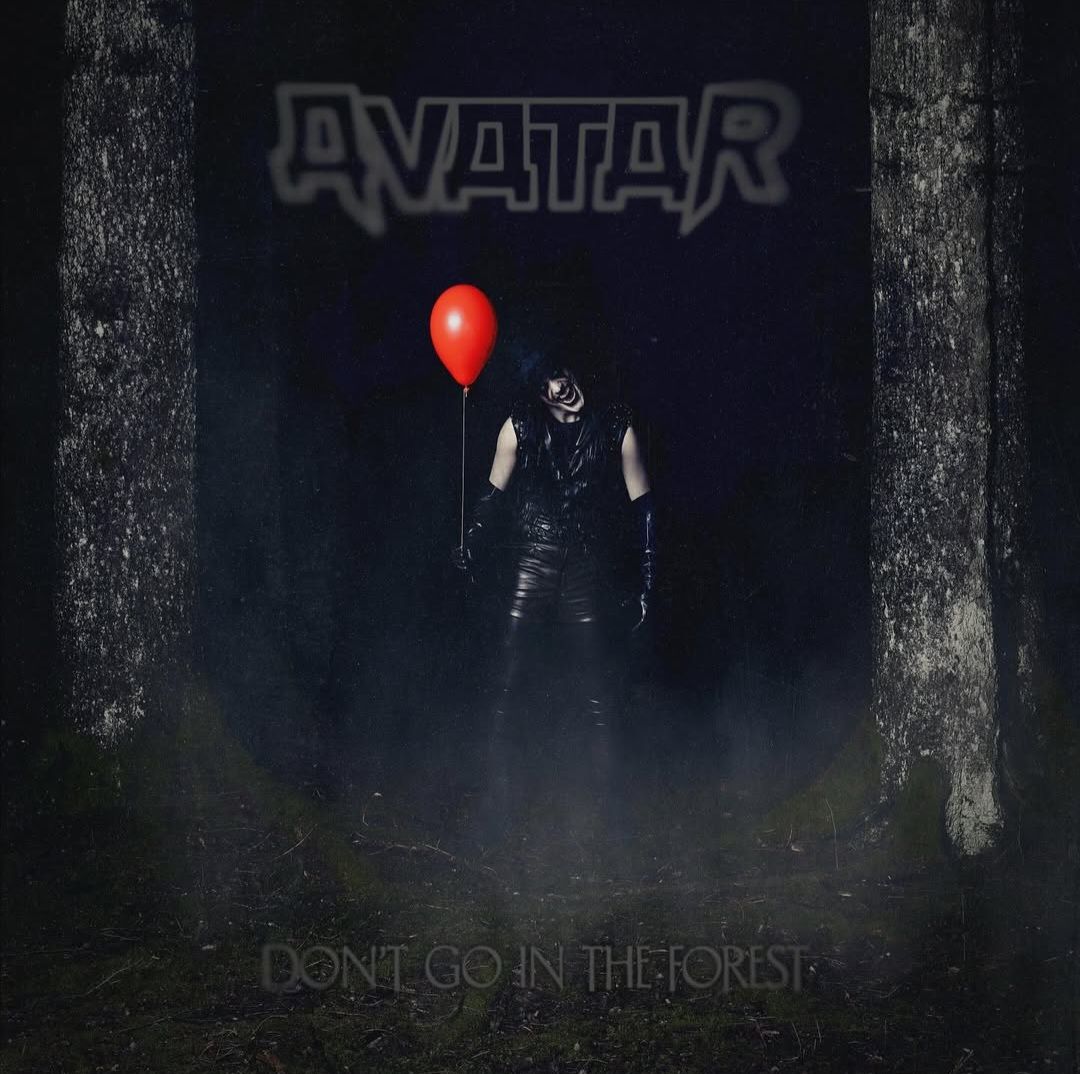
Mais si tu regardes la pochette d’album où je représente le groupe, l’idée est aussi que si vous allez dans cette forêt et que si vous y êtes perdu là dans la nuit, vous regardez entre les arbres et il y a de la lumière, il y a du son là-bas et si vous y allez là, dans la prairie, il y a un chapiteau de cirque. Et c’est nous. Nous sommes là ! C’est un peu le monde qui se construit autour du titre de l’album.
Vous avez enregistré l’album précédent Dance Devil Dance dans une cabane dans les bois. Est-ce que cela vous a inspiré le titre de l’album ?
Johannes : Pas directement, mais c’est aussi vrai maintenant que tu en parle. Ça a été un mois entier d’enregistrement et de promenade dans la forêt. Certainement ça nous influencé un peu.
C’est aussi le fait qu’on est suédois, la forêt est partout, on a grandi avec.
D’une certaine manière, tout ce que vous avez autour de vous, ou parfois ce que qui vous manque d’avoir autour de vous, façonne, en quelque sorte les mots et l’imagerie que vous utilisez pour vos paroles et pour vos chansons.
C’est comme que me suis aussi rendu compte de combien de chansons je chante sur l’eau. On a grandi sur les côtes et pas loin des lacs, ça nous a forcément influencé.
J’ai toujours passé beaucoup du temps dans l’eau ; différents souvenirs y sont connectés, de l’enfance à la jeunesse. Il y a tant de choses qui se passent autour de l’eau, la réflexion et la vie. Et j’ai réalisé que cela se reflète dans tant de chansons.
Howling at the Waves (Hurler aux vagues), c’est comme un symbole, comme la forêt.
En parlant de Howling at the Waves, cette chanson est très différente de ce qu’Avatar a fait auparavant. Quel est l’histoire de cette chanson ?
Johannes : Eh bien, j’ai récemment commencé à jouer de plus en plus au piano. Comme chaque chanteur ou chaque musicien d’un groupe, parfois tu rêves de ce projet solo, n’est-ce pas ?
Je me suis rendu compte que j’avais déjà un projet solo que je ne montre à personne. Je ne l’enregistre même pas.
Je pense que c’est une tradition bouddhiste de faire le mandala dans le sable, vous dessinez dans le sable et puis vous effacez ce que vous avez dessiné. Et une grande partie de mon jeu de piano ou de mes écrits au piano sont comme ça.
Mais je garde quelques idées. Et j’ai une petite collection de choses que j’ai gardé au fil des années. Et pendant que ça prenait de l’ampleur, j’ai commencé à jouer Tower live au piano.
Tout d’un coup j’étais devenu le pianiste d’Avatar. Et pour jouer Tower live, on doit faire le sound check du piano. On vérifie toujours le son du piano en premier, pour qu’on puisse l’écarter et ensuite faire les trucs avec tout le groupe.
Donc, j’étais assis là pour faire le sound check de Tower et John est arrivé un peu tôt sur scène et a commencé à jouer de la batterie pour Tower. Je me suis senti comme Elton John, c’etait trop cool.
“On n’a pas assez de talent pour ressembler à quelqu’un d’autre. On ne peut être que nous-mêmes”
Et là, je me suis dit que je voudrais faire quelque chose comme ça, avec tout le groupe et pas seulement moi au piano. Et ça a mené au refrain de Howling, c’était la partie la plus ancienne. Je l’ai gardé et ensuite, j’ai continué à travailler dessus.
Ensuite pendant un autre soundcheck de Tower, John est arrivé avec un rythme de batterie qui était en quelque sorte, je dirais, inspiré par The Cure.
Voilà, en grande partie cette chanson est venue de ça : c’est de la découverte musicale, de la création, de la transformation de ces idées en une chanson de groupe. Et puis, c’est l’une de ces chansons qui s’appuie sur le subconscient et qui fait référence aux rêves comme je disais avant. Une chanson qui est venu très naturellement, d’une manière très intuitive.
Cette chanson fait vraiment partie de ces nouvelles choses que tu veux apprendre avec chaque nouvel album, personnellement, mais aussi en tant que musicien. Tu veux trouver ce quelque chose qu’on n’a jamais fait auparavant.
As-tu une chanson du nouvel album que tu aimerais particulièrement jouer en live ?
Johannes : Howling at the Waves et ça va certainement arriver.
On a déjà joué Captain Goat et In the Airwaves pendant la tournée avec Iron Maiden et c’était Fun ! Maintenant que nous nous préparons pour les concerts en tête d’affiche, il y aura 1/3 du set qui sera consacré aux morceaux qu’il faut absolument jouer et que nous aimons aussi jouer, car bien sûr quand vous allez voir Avatar, vous devez entendre The Eagle has Landed, Hail the Apocalypse ou The Dirt I’m buried in. Ces chansons doivent être là.
Ensuite, il y aura 1/3 du set qui est un peu comme on veut nous surprendre nous-même mais aussi les autres, style on va jouer votre chanson préférée et ensuite, qu’il y le dernier 1/3 consacré aux nouvelles chansons. On va peut-être jouer 5 morceaux du nouvel album.
Et au bout d’un moment, ça va me manquer de jouer ceux que nous n’avons pas joués depuis longtemps. Si je pense à Hunter Gatherer, j’ai toujours envie de jouer à Justice Live.
Est-ce qu’il y aura des nouveaux costumes pour la tournée ?
Johannes : Un nouvel album signifie aussi de nouvelles tenues, et cela s’est développé en parallèle avec la musique. Les nouvelles costumes, on les a déjà montrés dans les vidéos clips et sur la route avec Iron Maiden.
Mais il y aura quelques choses supplémentaires qui vont se produire. On a besoin de beaucoup de changements de costumes. C’est toujours glamour.
Les costumes sont toujours fabuleux et ça vous va bien. Si un jour vous n’avez pas le temps de vous maquiller et de vous déguiser, as déjà pensé qu’allez-vous porter sur scène ?
Johannes : Eh bien… Je ne sais pas. On le fait parce que c’est tellement ancré dans qui et comment on est. Les costumes et le maquillage sont devenu une partie intégrante d’Avatar. On a bien fait ce show au Canada avec les chemises hawaïennes car la compagnie aérienne avait perdu nos bagages et c’était fantastique. J’étais pieds nus. Je me sentais si léger. C’était très libérateur.
Mais on s’est toujours dit, si jamais on ne fait plus ce spectacle de cirque, on va arrêter d’être nous, et à ce moment-là on va tout arrêter. Mais on n’est pas encore là. On se sent tellement bien comme on est.
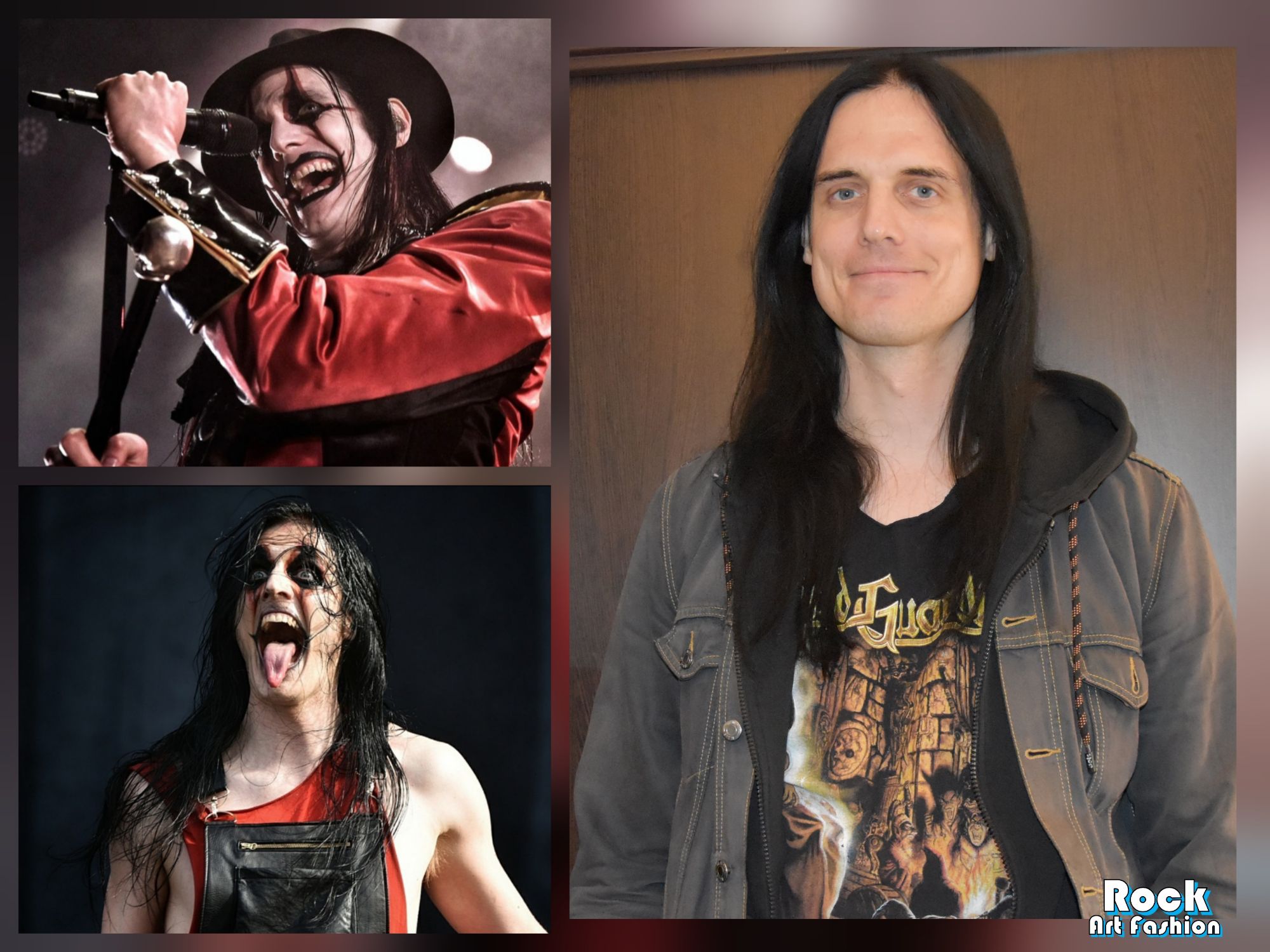
Combien de temps faut-il à toute la préparation avant de monter sur scène ? Mettre le maquillage, les costumes, etc.
Johannes : Le maquillage ne prend plus beaucoup de temps. Cela peut prendre 15 ou 20 minutes. Je n’ai pas besoin de faire des contours, c’est juste le fond de teint et ensuite, il suffit de dessiner et de tout remplir soigneusement. Il n’y a pas beaucoup de nuances, c’est facile.
L’ensemble de la préparation avant un spectacle dure environ 2 heures. Mais je n’ai pas besoin de 2 heures. Je commence à peindre mon visage 2 heures avant et une heure avant, je commence à m’échauffer. L’échauffement prend peut-être 15 ou 20 minutes aussi.
Entre les deux, il faut juste se sentir prêt. Ces 2 heures sont très calmes, une transition très organique vers le bon état d’esprit pour le concert.
Et dans la vie des tous les jours que tu aimes porter ?
Johannes : Je suppose que je ce que porte aujourd’hui.
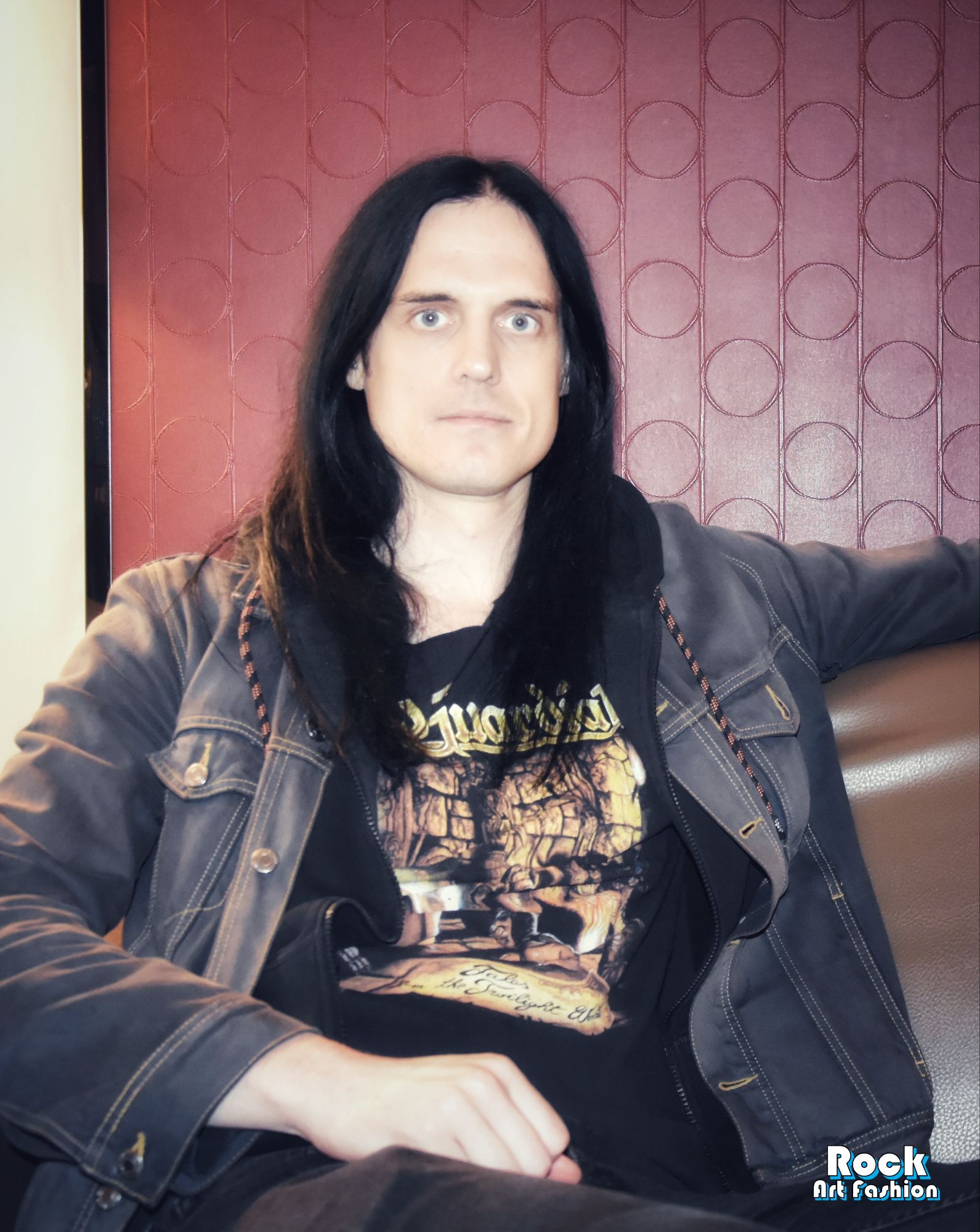
Denim et cuir
Johannes : Oui, exactement. Et là, je ne sais pas, je deviens… très confortable, car je travaille à la maison. Donc, je porte beaucoup de pantalons de survêtement. Et parce que je n’ai jamais besoin de porter un costume pour le travail, chaque fois que j’ai une raison de bien m’habiller, d’être un peu élégant, j’aime porter un costume.
Mais, si je devais travailler dans un bureau où c’était nécessaire de porter un tous les jours, je ne pense pas que cela me plairait autant.
Comment ta vie quotidienne t’inspire pour ta création en général ?
Johannes : Ça peut vraiment être tout et n’importe quoi et ça bouge aussi au fil des ans.
Il n’y a donc pas de réponse unique à cette question. Je n’écris pas souvent sur ce qui se passe dans le monde, mais soudain, je le fais.
Mais c’est toujours à travers le filtre. La vie est une source d’inspiration en soi. De tout ce qui me passe par la tête, je peux écrire une petite idée.
Mais la principale force motrice, c’est la musique, la base est le heavy metal.
Le heavy metal est un riff et un groove et quand le groove et le riff vont vraiment bien ensemble, ils créent une atmosphère : l’obscurité ou l’agressivité, la joie ou quoi que ce soit d’autre. Et c’est si ça devient une image très vivante, cela commence en quelque sorte à façonner ce que les paroles deviennent. Je dirais donc que l’inspiration principale de la chanson est la chanson elle-même si cela a du sens.
Les vidéos d’Avatar sont toujours fantastiques, des vrais mini films avec une ambiance cinématographique. Tu as une vidéo qui a été plus difficile à filmer ?
Johannes : Quelques-uns, oui. Pour The dirt I’m buried in, nous avons eu l’idée du clip pendant l’été, puis nous l’avons filmée à l’automne. En octobre, en Suède, toutes ces scènes filmées en plein la nuit dans la forêt, cela veut dire pas de sommeil et il faisait vraiment froid.
On a aussi loué cet endroit où se déroule le petit concert, juste pour ce jour-là. On a donc dû commencer à travailler à 5 heures du matin, puis dormir quelques heures et ensuite filmer les prises de vue de jour. Donc, pas de repos.
Il y a des choses qui deviennent difficiles à cause de ces exigences physiques.
Pour Captain Goat, il fallait apprendre à chanter sous l’eau et rester sous l’eau. Mais c’était amusant. Ce genre de défi est amusant. C’est un peu macho de voir si vous êtes capable de le faire.
On a fait plusieurs prises car plusieurs changements d’angle et en descendant dans l’eau la troisième fois, j’ai commencé à avoir mal aux yeux.
C’est bien que j’aie eu le maquillage noir parce que si tu regardes à la fin du clip, tu peux le voir… si au début, j’avais les yeux, boum, grands ouverts à la fin, je n’en pouvais plus tellement ils étaient gonflés.
Mais les rougeurs sont cachées avec le maquillage. C’était un grand défi, mais amusant et stimulant.
Alors que,au contraire The dirt I’m buried in a été difficile à cause du froid et de la fatigue. Ce n’était pas Fun!
Il y a donc différentes façons de voir les choses.
Je pense aussi à Hail the Apocalypse, à la fin du clip, il pleut et je suis à genoux sur ce sol en béton et ils vaporisent sur moi de l’eau froide et je dois claquer mes bras sur le sol en béton encore et encore et tout. Il ya eu des choses assez difficiles pour les clips.
Maintenant, c’est mieux car on a notre propre espace. Là où nous avons notre merchandising et notre salle de répétition, on a aussi de la place pour filmer, ce qui signifie qu’on peut rester aussi longtemps que nous le voulons et filmer autant de jours que nous le voulons.
Dans le passé, quand on avait besoin des vidéos sur écran vert, on devait louer de l’espace et cela coutait en un jour presque le même prix qu’il en coûterait un mois dans notre propre espace.
Et cela signifiait qu’il fallait rester tard le soir, pour s’assurer qu’on a tout ce qu’il faut pour la vidéo. Dance Devil Dance a été terrible à la fin. Surtout à cause de l’idée qu’on a eu avec cette partie dans laquelle je grimpe en moi-même, puis je voyage et je renais.
Le shooting de cette partie avec le voyage a été terrible. La première version avait l’air de rien, une merde, mais Johan (le réalisateur Johan Carlén) n’a pas abandonné et a insisté pour la refaire. Moi, j’ai dit c’est ok, on a ce qu’il nous faut, j’en ai assez et je veux rentrer à la maison mais non, on a dû travailler encore quelques heures. Et le problème est qu’il avait raison. A la fin, il m’a montré et je lui ai dit je te hais. C’est génial. Le résultat était incroyable.
Donc, cela signifie que je ne peux jamais me plaindre parce que cela vaut la peine.
On pourra dire que vous êtes de vrais acteurs….
Johannes : Je ne dirais pas ça et tu sais pourquoi ? Parce qu’un acteur peut parler. On a un peu parlé dans Avatar Country mais on n’est pas des acteurs. Ce que nous faisons, d’une certaine manière ressemble plutôt au film muet. Une façon de jouer avec votre corps.
C’est quelque chose qu’on apprend en tant que chanteur de métal. Et je peux faire ces choses-là, mais si vous êtes un très bon acteur, vous pouvez en faire moins et en dire plus.
Anthony Hopkins n’a pas besoin d’agiter les bras dans tous le sens pour que nous ayons peur d’Hannibal Lecter. Et tant qu’acteur vous avez des nuances, des mots et des trucs. Oui, j’ai des mots quand je chante. Je peux chanter les paroles, mais prononcer, dire les paroles, c’est un niveau de compétence différent.
Je connais donc assez le métier d’acteur pour savoir que je ne suis pas un bon acteur, mais je sais aussi ce que je sais faire. Mais c’est vrai nous poussons plus loin à chaque fois et nous essayons de nous améliorer.
Tu es un grand fan de films. Un réalisateur un film en particulier qui vous a inspiré au fil des ans ?
Johannes : Oui, absolument. Le cinéma nous inspire beaucoup. On parle toujours de David Lynch mais il y a d’autres inspirations comme : Ingmar Bergman qui a été une référence au fil des ans ou tous ces films sur Münchhausen dans différentes versions.
On a fait ce documentaire pour le dernier album (The Truth Behind Dance Devil Dance) où à la fin, on s’entretue. C’est comme un film d’horreur « found footage ».
Et la raison pour laquelle cela s’est produit, c’est parce que ma femme et moi, pendant la pandémie, on a fait différents marathons de films. On a décidé de regarder tous les films d’activité paranormale d’affilée. En regardant ça, je me suis dit, j’aime ça. Et tu sais quoi ? C’est bon marché.
Et si on fait quelque chose comme ça, on peut faire un documentaire sur l’album, ce qui fait que 95 % du temps on ne joue pas et donc, on n’a pas besoin d’être des bons acteurs. Et puis si le jeu d’acteur représente 5 % du temps, on va le cacher entre les scènes de non-jeu et comme cela, tout se passe beaucoup plus naturellement et on pourra cacher nos limites de jeu d’acteur.
Si on revient un peu dans ton passée, comment est-ce que tu as atterrit dans la musique ?
Johannes : Avant qu’il n’y ait du métal, il y avait déjà de la musique dans ma vie. Mon premier piano. Je crois que j’ai pris des leçons de piano entre cinq et huit ans, et puis, j’ai commencé à jouer du trombone.
J’ai toujours été attiré par la musique et aussi la musique que mes parents écoutaient. Je suis devenu fan de musique classique aussi.
Et puis c’était la British Invasion : les Beatles, les Stones, les Kinks…d’une certaine manière j’ai toujours baigné dans la musique depuis que j’étais petit.
Le métal s’est passe comme le métal se passe d’habitude. Vous entendez quelque chose que votre grand frère ou vos amis avaient découvert et à partir de là, le voyage est assez typique.
Le plus important moment pour moi, c’est probablement quand j’ai emprunté le CD de Helloween de mon frère, Keeper of the Seven Key part II. Et je suppose que cet album (claquement des doigts) a allumé le feu sacré du métal en moi.
Quand tu ne fais pas de musique, qu’est-ce que tu aimes faire ?
Johannes : C’est une chose étrange car faire ce travail, ça devient votre vie, donc, beaucoup de choses s’y connectent, mais sinon, il y a ma femme, les chiens et puis parce que vous êtes un adulte, oh, il ya toujours quelque chose à réparer. Et une heure par mois, j’ai du temps pour les jeux vidéo…
La tournée démarre bientôt au USA et puis en Europe, comment tu te prépares ?
Johannes : Oui, eh bien, comme d’habitude. Soulever des poids, aller courir, s’étirer et aller beaucoup à la salle de répétition. J’ai un régime de remise en forme, j’essaie peut-être d’aller une ou deux fois par semaine à la salle de sport. Et quand la tournée se rapproche, je vais de plus en plus, juste pour être physiquement en forme
Et dans ce processus de préparation de votre corps en chantant le set list en même temps, je commence à avoir des idées de ce que je vais faire dans les différentes parties du spectacle.
C’est une sorte de spirale qui se nourrir en elle-même.
Un projet musical que tu aimeras faire et ce n’est pas encore fait ?
Johannes : Des tonnes de choses. Je dirais que j’ai deux grands rêves. Tous les groupes de métal travaillent avec un orchestre symphonique. Je veux travailler de la même manière, avec un Big Band, donc plus dans le monde du jazz. C’est un rêve mais peut-être que ça va arriver.
Et l’autre chose serait de faire une véritable tournée de l’Afrique. Je ne veux pas seulement aller dans un ou deux pays et faire l’aller-retour en avion, mais faire en sorte qu’un groupe du nord-ouest, puisse construire une relation, faire une sorte d’échange et peut-être que nous pourrions faire un documentaire autour de cela.
Il faudra voir juste comment faire pour que ça marche parce qu’il n’y a pas vraiment la même infrastructure comme ici en France ou aux États-Unis et en Amérique latine.
Comment est-ce qu’on peut faire pour aller au Zimbabwe et au Kenya ? Comment pouvons-nous mettre tout en place ? Il faudra voir.
Parce que je sais qu’il y a des métalleux là-bas aussi et aussi, tout autour de la Méditerranée et au Moyen-Orient. Il semble que si vous venez de Suède, la première étape est d’aller en Turquie. Et si cela fonctionne, alors vous continuez ensuite pays par pays.
Merci beaucoup Johannes
Johannes : Merci à toi.
English Version
In the dark and flamboyant depths of contemporary heavy metal, there are few bands that know how to mix theatricality, sound power and visual identity with as audacity as AVATAR.
On the occasion of the release of their new album, Don’t Go In the Forest, I had the pleasure to sit with Johannes Eckerström, the charismatic and visionary master of ceremonies, to explore the behind-the-scenes of their creativity and learn more about the iconic frontman.
Between discussions about the new album, the videos and the cinematographic atmospheres that shape their universe, the costumes that contribute to their stage signature, and a dive into his multiple inspirations that feed their creative chaos, discover our interview, a fun journey to the heart of the metal circus where nothing is left to chance.
Do not Miss AVATAR shows at le Cube à Lyon, on 2nd of March 2026 and at Zénith de Paris La Villette on 7th of March 2026.
Hello Johannes, how are you?
Johannes: I’m good. I am on a real seven-day press tour since Covid. Today is Paris. Yesterday, it was Amsterdam and then Berlin and Vienna. We’re not a pop band of Top 40 which means that my press tour is one week and not three months, so it’s FUN.
And especially now, I’m a big fan of Paris. I had a lot of good times here and just getting off from the train at the railway station this morning…immediately, I’m like Audrey Toutou and Amelie. I feel like a manic pixie dream girl walking around here. So, yeah, it’s a good day today.
Don’t Go Into the Forest, Avatar’s 10th album is out on 31st of October. I found it very diverse and very different from all your previous releases. It’s very heavy, with some very fast tracks but it’s also very melodic and groovy. What can you tell us about the writing process and your inspirations this time?
Johannes: Well, one basic reason for the diversity is that we are a very collective and democratic band.
In a more normal band, we would be three songwriters, but that’s not how we work. We are three song starters, and then all five of us collaborate to make the end things.
The ideas come from many different places, from multiple songwriters. And also, because we love The Beatles. We never worry so much about what is our sound like. Our sound is that we wrote it ourselves and played it ourselves. And the rest just happens. We don’t have enough talent to sound like somebody else. We can only be us.
So that opens up for a lot of diversity that we simply don’t worry about it. And for this particular album, a standout thing in how it was made to me is…Every time we do this, you can always remove one more layer of bullshit.
Every album has been as honest as possible, but then once you have reached that level of honesty, you’ve discovered more bullshit to remove, or another way to reach something deeper. And there was more leaning into intuition this time.
I think there’s a history when making songs that you immediately want to figure out what you’re doing: like “What is this? What does it mean? What should it become?”
This time, I and we, worried way less about that and let things become whatever they want it to be. And following just that subconscious thing, especially with the lyrics. It’s not like, oh, what is this song about? Okay, then I write about that.
It’s just, if it felt beautiful, then it was probably right. I listened to that subconscious voice more and that made parts of the album a little bit more surreal, more inspired by dreams and just a meditative state and all that. I hadn’t leaned into that as much before as I did this time.
This forest seems to be a strange world with a lot of characters living inside. Some strange things happening, there are crime scenes and some thrills, and somebody tell us that we don’t have to go in the forest. Why?
Johannes: Yeah, someone tells you not to go, but because at least this is the way I’m thinking about it …it’s about being that kind of weird kid that gets into metal to begin with.
When you hear that warning because something is scary, dangerous and dark, don’t go in the forest. You’re like, oh, I’m totally going in the forest.
Even if it’s a warning, it makes you want to do it nevertheless. So, we are going into the forest, and it reflects the whole thing in metal where it’s this strange mix between heavy metal is fun, metal shows are wild, and you crowd surf, and you bang your head, and there’s a mosh pit, and it’s a party.
We have this party, and in the meantime, Metallica is playing a song about a guy with no arms and no legs who wants to die. And that’s this weird edge that metal music balances on, right?
The forest is this, the forbidden place of your dark thoughts or forbidden thoughts or tough things in life.
If you look at an album cover, there I am representing the band, the idea is also that if you go into that forest and if you’re lost there in the night and you see between the trees, there’s some light, there’s some sound over there and you go there and, in the meadow, stands a circus tent. And that’s us. That’s where we are. That’s kind of the world building around the title.
You recorded the previous album Dance Devil Dance in a cabin in the wood. Would you say that inspired you the title of the album?
Johannes: Not directly, but it’s also true, now that you mention it. That meant a month of recording and walking around in the forest, certainly.
But that’s also something that, I mean, we’re Swedish, the forest is everywhere, so you kind of grew up with that.
And in that way, whatever you have around you, or sometimes whatever you miss having around you, kind of shapes what words and what imagery you use for your lyrics and for your songs.
I also just realized how often I end up singing about water. We grew up on the coasts and on the lakes.
I was always spending time in water; different memories connected to it from childhood to youthhood, so many things happening with water and reflection and life. And I realized it seeps through into so many of the songs.
Howling at the Waves, you know, it’s there as a symbol because it was there, I think, so much in life and the forest is a similar place.
Speaking about Howling at the Waves that song is very different of what Avatar had done before. What’s its story?
Johannes: Well, I’ve recently started to play more and more piano, and you know, as every singer or every guy in a band, sometimes you dream of that solo project, right?
But I also realized that I already have a solo project. I just don’t show it to anyone. I don’t even record it.
You know, I think it’s a Buddhistic thing to do the mandala that you draw in the sand. And then you remove it. And a lot of my piano playing or writing on the piano is like that.
But then I keep some ideas. And I have a little collection of things I come up with through years. And while that was building up, I started to play Tower live on the piano.
“We don’t have enough talent to sound like somebody else. We can only be us.“
Suddenly, I was a kind of the pianist in Avatar. And especially playing Tower live, I mean, we sound checked the piano and we always sound check the piano first, so we can get it out of the way and then we do band stuff.
So, I was sitting sound checking Tower and John would come a bit early on stage and start playing drums to Tower and I felt like holy shit, I’m Elton John, this is so cool.
I want to do something with, where I’m part of the band playing and not just me alone. And that led especially to the chorus part of Howling, it was the oldest part. And then I kept working on it.
Then, another sound checks while I was playing that, John came up and played and came up with a drum beat that was kind of, I would say, inspired by The Cure.
A lot of it came from that, the musical discovery of making and turning those ideas into a band song. And then, that is one of those songs that relied on the subconscious trick and refers to dreams and all that came very naturally. That part of writing is back to that intuitive thing.
And yeah, it’s definitely part of one of those things when you want to learn something new on each album, personally, but also as a musician and find something we haven’t done before.
Do you have a song from the new album that you would like particularly to play live?
Johannes: Yeah, definitely Howling at the Wavesand that’s going to happen.
We did already Captain Goat and In the Airwaves while we toured with Iron Maiden in summer and it was a lot of fun. Now, that we prepare for the headline shows, you have 1/3 of the set that will be things you cannot have to play that we also enjoy playing : when you see AVATAR, you need to hear The Eagle has Landed, Hail the Apocalypse, The Dirt I’m Buried in , those songs need to be there.
Then you have 1/3 of the set where we want to surprise ourselves and the others a bit and find a deep cut, so it’s that now “I’m going to play your favourite song“you know, those songs that marks.
But then 1/3 is that we like to play a lot of the new things live, so I think it’s going to be maybe 5 from the new album. So, it’s a good chunk of the set list’s new material.
After a while, I’m always going to miss playing those we didn’t end up playing.
It’s like looking back at Hunter Gatherer for example. I still want to play Justice live at some point.
Will you have new costumes for the tour?
Johannes: A new album means new outfits as well, and that grew parallel with the music, so that has already been shown in the music videos and what we brought on the road with Iron Maiden.
And then there are a couple of extra things that’s going to happen. We need a lot of costume changes. You know, it’s glamorous.
You’re looking good on stage and costumes are always fabulous. If one day you don’t have time to put your makeup and your costumes, what are you going to wear on stage?
Johannes: Well…I don’t know, because the thing is that we want to do it the way we do it because it’s so rooted in who and how we are. It has become such a part of it Avatar. We did have that show in Canada with the Hawaiian shirts as the company lost our luggage and it was fantastic. I was bare feet. I felt so light. It was very liberating.
But we always said, like, if it ever feels wrong to make this circus performance, if it stops being us, then we would stop but we are not there. It totally feels like us.
How long it takes all the preparation to go on stage? Put your makeup on, the costumes, etc?
Johannes: The makeup doesn’t take that long anymore. I do it extra carefully. It maybe takes 15 – 20 minutes. I don’t need to do contours. It is foundation, and then carefully draw everything out and fill it in. There are not many nuances to it, makes it easy. But I still take my time with it.
The whole preparation before a show is like 2 hours. But I don’t need 2 hours. Whether I start painting my face 2 hours before, then one hour before, I start warming up. That takes maybe 15 -20 minutes as well. But in between, you get to be ready and feel ready and start to set your mind to it.
Therefore, the 2 hours it’s very stress-free and a very organic transition into the right mindset.
How about in your everyday life, what you like to wear in general?
Johannes: I guess what I am wearing today.
Denim and leather.
Johannes: Yeah, exactly. And then, I don’t know, I become…very comfortable, because I work from home. So, I wear a lot of sweatpants. And what else? Because I never have to wear a suit for work, every time I have a reason to dress nicely, I like doing that.
But, if I had to work in an office where it was required, I don’t think I would like it as much.
How everyday life inspired you for your creation in general?
Johannes: It can really be anything and everything, especially over the years, because it shifts also. There’s no one answer to it. Because I don’t often write about what goes on in the world, but then suddenly I do.
But it’s always through the filter. Life is inspiring, and that just happens to me. Whatever pops into my head, I can write some little idea down.
But then the main driving force is the music, the whole basis of that is heavy metal.
Heavy metal is a riff and a groove and when the groove and the riff is really good together, it gets an atmosphere and therefore comes the darkness or the aggression or the joy or whatever and you can get. A very vivid image that kind of starts shaping what the lyrics become, so the main inspiration to the song is the song itself in that way, if that makes sense.
Avatar’s videos are always fantastic, like short movies with cinematographic ambience. Do you have a video that it was more challenging for you to film it?
Johannes: Oh, like everything. For The dirt I’m buried in, we came up with the idea during the summer and then we filmed it in the fall. And it was all these outdoor scenes in the night, which means no sleep. We also rented the place where the little concert is in. We had that just for that day. So, we had to work at 5am in the morning, then just sleep a couple of hours to film the daytime shots.
So, it was no rest and also to set things up in October in Sweden in the forest, in the night, we got really cold. You have things that become challenging because those physical demands.
For Captain Goat, I would be learning to sing underwater and stay underwater. But that was fun. That kind of challenge is fun. It’s a little macho to see if you can do it.
Going down in the water the third time, you know, because we had little breaks and then I was there getting one changing angles and it started to really hurt in the eyes.
It’s good that I had the black face paint because if you look at the end of the music video, you can see it … in the beginning, I’m really like, boom, my eyes are wide open but at the end, I can’t do it anymore because they are so swollen.
But the redness is hidden from with the makeup. It was challenging, but fun challenging.
The dirt I’m buried in it was challenging, out in the cold and tired, sleep deprived. It’s not a fun challenge. There are different ways of looking at it.
All the way back to Hail the Apocalypse, at the end of the music video, it’s raining and I’m excited and I lay on that concrete floor and the water they spray on me is cold and I have to slam my arms on the concrete floor over and over again and stuff. It’s been a lot of those things quite hard in these last years.
But now we have our own space to make videos. Where we have our merchandise and rehearse room, we also have room to film, and that means that we can stay as long as we need and film as many days as we need. In the past, when it was those big green screen videos and stuff we had to rent a studio space and that cost. In one day, it cost the same that it would cost a month to be in our own place.
That also meant late nights as you had to make sure to get everything, and we always pushed that.
Dance Devil Dance was terrible at the end of it. Especially, because we had one idea. There’s that part when I climb into myself and then I travel and I’m being reborn.
And that’s those traveling shots were terrible. The first version of it looked like shit but then Johan (video director Johan Carlén) didn’t give up and insisted to do it again. I said it’s fine, what we have now is fine. It’s enough. I want to go home, but no, we work for more hours. And then I asked him are we done? And he said Yes : Look. And I looked and I said: I hate you. This is…GREAT ! It looked amazing.
That means I can never complain because it was worth it. So, yeah there were different challenges in different ways for different videos.
Sometimes we could say that you are real actors.
Johannes: No,I would not say that we are actors, and you know why? Because an actor can talk. We did some talking in Avatar Country but I’m not an actor. What we do, I feel, is more acting from a silent movie as it is a way of stage acting with your body.
That’s something you learn as a metal singer. And I can do those things, but if you’re a really good actor, you can do less and tell more.
Anthony Hopkins doesn’t have to wave his arms all the time for us to be scared of Hannibal Lecter. As an actor, you have nuance, you have words and stuff. Yeah, I have words when I sing. I can sing the words, but speak the words, that’s a different level of skill.
I know enough about acting to know that I’m not a good actor, but I know also what I’m good at. We push and try to challenge us and get better.
It seems that you a big fan of cinema. Is it something that influences you over the years?
Johannes: Yeah, absolutely. And there’s a lot of things that influenced us. We always talk about David Lynch when we make music videos, but then it’s also been others…
I mean, funny was, you know, we made that documentary for the last album (The Truth Behind Dance Devil Dance) where at the end, we all kill each other and it’s like a found -footage horror movie.
And the reason that came about was because me and my wife, during the pandemic, you had all these different movie marathons. And we decided to watch all the paranormal activity films in a row. While watching that, I’m like, I like this and you know what? It’s cheap.
And if we make something like this, we can make a documentary about the album, which means that 95% of the time we don’t act, so we don’t need to think about being good actors. And then the acting is 5% of the time, but we hide that between scenes of not acting.
And like that, it’s all comes off very naturally and we can hide our limitations. So yeah, that inspired. And what else? I mean, Ingmar Bergman has been brought up and referenced all kinds of things through the years, really. Also, a lot about Munchausen and the different versions of it.
Let’s get back in time…How did you get into the music?
Johannes: Before there was metal, it was already music in my life. My first piano, I guess I had piano lessons between five and eight years old and also, I started to play the trombone.
I was always drawn into music and the music that my parents were listening to. I became a fan of a lot of classical music.
And then it was the British Invasion Rock Band: Beatles, Stones, Kinks and all that, it was already around. I was doing pretty much always music to some degree while I was just a little child.
And then the metal happens the way the metal does: you hear something that your older brother had discovered or friends and from that, the journey is pretty typical. But the big one for me was probably that I borrowed my brother’s Helloween CD, Keeper of the Seven Key Part II and I guess (he click the fingers), that lit that fire in terms of metal music for me.
When you are not doing music, what do you like to do ?
Johannes: That’s a weird thing, you know, doing this job, then it becomes your life, so a lot of it connects in it, but otherwise, I mean, it’s… my wife, the dogs, and then because you’re a grown-up, oh, you have to repair something. One hour every month, I have time for video games, so to speak.
But also, the whole fitness thing nowadays, it was a long period where that has gotten a big role. And we go climbing and just do stuff.
How do you prepare the next tour?
Johannes: Yeah, well, it’s being prepared like everything is being prepared, you know : lift weights, go for a run, stretch, and go a lot to the rehearse room.
And in that process of starting to prepare your body and everything for it, at the same time you start getting the ideas and by singing through the set list and seeing what things are, you start getting ideas of what you’re going to do in the different parts of the show.
It’s kind of spirals and feeds into itself.
Something on your bucket list as a musician that you did not do yet and you’d like to do.
Johannes: Tons of things. There are two big dreams. You know, all the metal bands work with a symphony orchestra. I want to work with a Big Band, so more from the jazz world in the same way. So that is a dream, and maybe it happens.
And the other thing would be to do…some kind of proper touring of Africa. I don’t just want to go to one or two countries, and I don’t just want to fly in and out.
I want to see how to make it possible for a band from the global northwest, from this part of the world to how to build that relationship and exchange and maybe we can make a documentary around it.
Yeah, just how to make it work because there’s not really the same infrastructure for a Swedish band to come in France or to travel to the States and Latin America and all that. But how can we do Zimbabwe and Kenya? How do we make that happen?
Because I know there are metalheads there too and all around the Mediterranean and the Middle East is full of it. But it seems that if you are from Sweden, step one is you go to Turkey. And if that works, then you keep moving country by country…
Thank you very much Johannes.
Johannes: Thank you.
 Rock Art Fashion
You must be logged in to post a comment.